
Subtotal $0.00
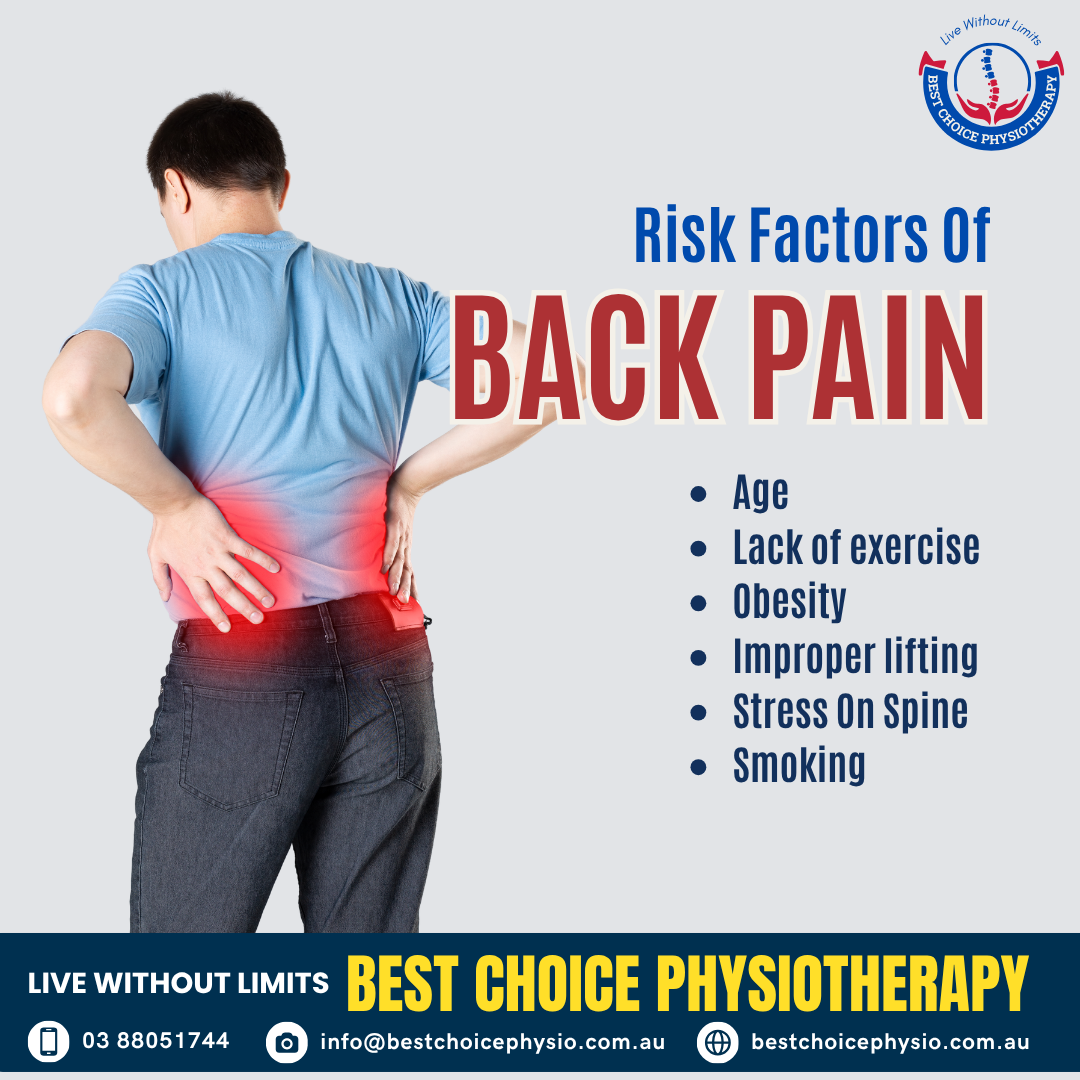
Back pain is one of the most common health concerns worldwide, affecting people of all ages and lifestyles. It can range from mild discomfort to severe pain that limits daily activities and impacts overall quality of life. While some causes of back pain cannot be avoided, many risk factors are within our control. Understanding these factors is the first step toward protecting your spine and maintaining a healthy, active life.
What Is Back Pain?
Back pain refers to discomfort or pain in any part of the spine, but it most commonly occurs in the lower back (lumbar spine). It may develop suddenly after an injury or gradually due to poor habits, aging, or underlying health conditions.
Common Risk Factors for Back Pain
1. Age
As we age, the structures of the spine naturally undergo wear and tear. Intervertebral discs lose hydration and flexibility, joints become stiffer, and muscles weaken. These age-related changes increase the likelihood of developing chronic back pain.
How to reduce the risk:
- Stay physically active.
- Perform regular stretching and strengthening exercises.
- Maintain good posture throughout the day.
2. Lack of Exercise
A sedentary lifestyle weakens the muscles that support your spine, making it more vulnerable to injury and strain. People who spend long hours sitting without regular movement often experience stiffness and lower back pain.
Prevention tips:
- Aim for at least 30 minutes of physical activity most days.
- Strengthen your core muscles.
- Take movement breaks every 30–60 minutes if you work at a desk.
3. Obesity
Excess body weight places additional stress on the spine, particularly the lower back. Over time, this increased pressure can contribute to disc degeneration, joint pain, and chronic discomfort.
Healthy habits include:
- Maintaining a balanced diet.
- Regular exercise.
- Gradual, sustainable weight management.
4. Improper Lifting Techniques
Lifting heavy objects incorrectly is one of the leading causes of acute back injuries. Bending at the waist instead of the knees can overload the spinal muscles and ligaments.
Lift safely by:
- Bending your knees instead of your back.
- Keeping the object close to your body.
- Avoiding twisting while lifting.
- Asking for assistance when lifting heavy loads.
5. Excessive Stress on the Spine
Repeated bending, twisting, prolonged sitting, poor posture, and physically demanding work place continuous stress on the spine. Over time, these repetitive movements may lead to muscle strain, disc injuries, and chronic pain.
Protect your spine by:
- Maintaining proper posture.
- Using ergonomic furniture.
- Stretching regularly.
- Alternating between sitting and standing throughout the day.
6. Smoking
Smoking reduces blood flow to spinal tissues, slowing healing and accelerating disc degeneration. It also increases inflammation and reduces bone health, making smokers more susceptible to chronic back pain.
Benefits of quitting smoking include:
- Improved spinal health.
- Better circulation.
- Faster healing.
- Reduced inflammation.
- Lower risk of chronic pain.
Additional Factors That May Increase the Risk
Besides the common causes above, back pain may also be associated with:
- Poor posture
- Long hours of sitting
- Heavy physical work
- Pregnancy
- Weak core muscles
- Stress and anxiety
- Osteoporosis
- Previous back injuries
Tips to Prevent Back Pain
You can significantly reduce your risk by adopting healthy daily habits:
- Exercise regularly.
- Strengthen your core and back muscles.
- Maintain a healthy body weight.
- Practice proper lifting techniques.
- Sit and stand with good posture.
- Avoid sitting for prolonged periods.
- Sleep on a supportive mattress.
- Stay hydrated and eat a balanced diet.
- Quit smoking.
- Manage stress through relaxation techniques and regular physical activity.
When Should You See a Physiotherapist?
Consult a physiotherapist if you experience:
- Back pain lasting longer than a few weeks.
- Pain that radiates into your legs.
- Numbness or tingling.
- Difficulty standing or walking.
- Pain after an injury.
- Recurrent episodes of back pain.
- Limited movement affecting work or daily activities.
A physiotherapist can identify the underlying cause, reduce pain, improve mobility, strengthen supporting muscles, and create a personalized rehabilitation plan to prevent future episodes.
How Physiotherapy Can Help
Physiotherapy offers a non-surgical, evidence-based approach to managing back pain. Treatment may include:
- Comprehensive physical assessment
- Manual therapy
- Targeted strengthening exercises
- Posture correction
- Stretching and mobility programs
- Ergonomic and workplace advice
- Education on injury prevention
- Personalized home exercise programs
Final Thoughts
Back pain is common, but it doesn’t have to become a permanent part of your life. By understanding the major risk factors—including aging, inactivity, obesity, improper lifting, excessive spinal stress, and smoking—you can take proactive steps to protect your spine and reduce your risk of chronic pain.
If back pain is affecting your daily life, seeking professional physiotherapy early can help relieve symptoms, restore function, and keep you moving confidently.
Live Without Limits with Best Choice Physiotherapy. Schedule your assessment today and take the first step toward a healthier, pain-free back.