
Subtotal $0.00
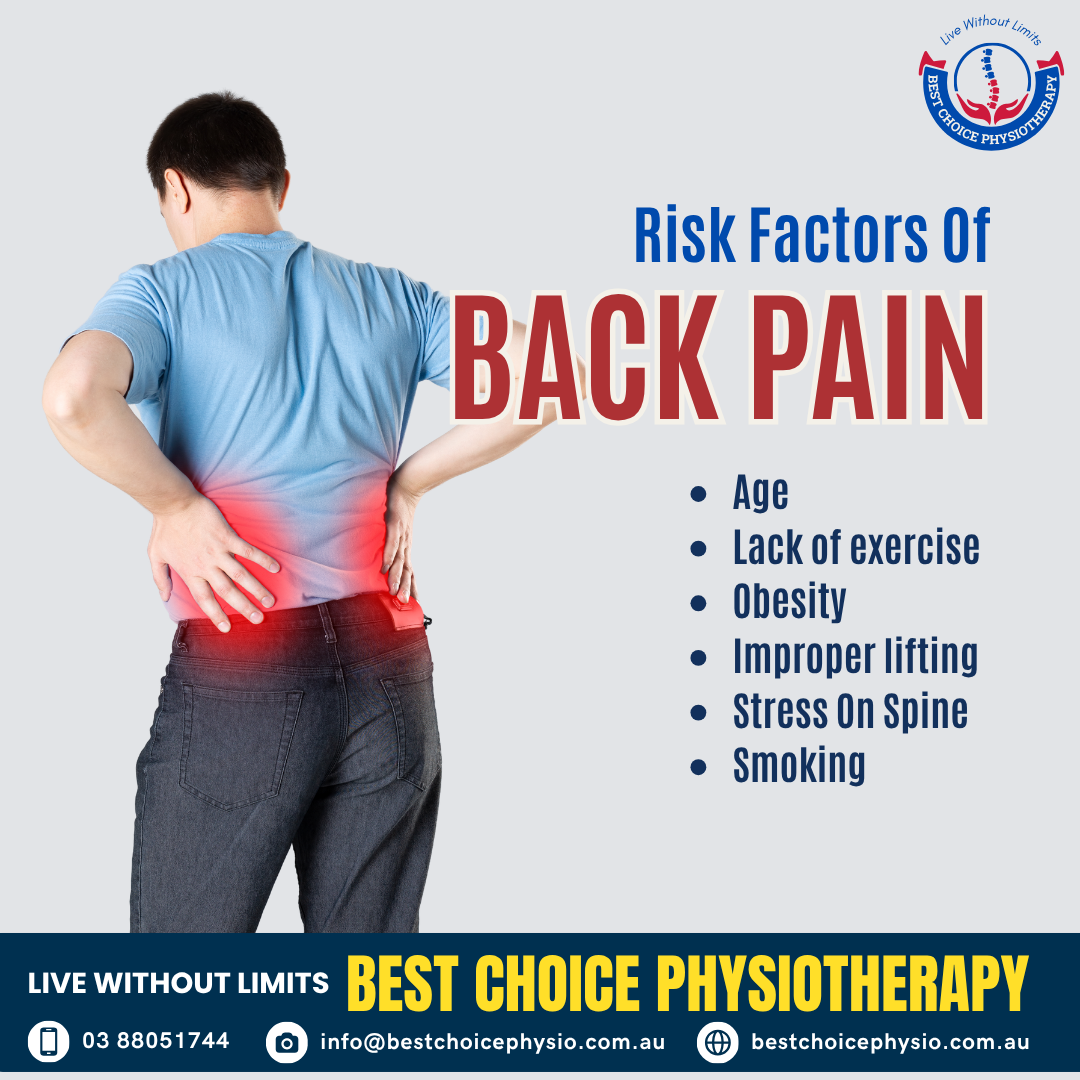
Back pain is one of the most common health concerns affecting people of all ages. Whether it’s a dull ache after a long day or a sharp pain that limits movement, back pain can interfere with work, exercise, and daily life. While some causes are unavoidable, many risk factors can be managed with healthy lifestyle changes.
Let’s explore the most common risk factors for back pain and how you can reduce your risk.
1. Age
As we get older, the spine naturally undergoes wear and tear. The discs between the vertebrae lose hydration and flexibility, making them more prone to degeneration and injury.
How to reduce the risk:
- Stay physically active.
- Perform regular stretching and strengthening exercises.
- Maintain good posture during daily activities.
2. Lack of Exercise
A sedentary lifestyle weakens the muscles that support your spine, especially your core and back muscles. Weak muscles make it harder to maintain proper posture and increase strain on the spine.
Prevention Tips:
- Exercise for at least 30 minutes most days of the week.
- Include core-strengthening exercises.
- Avoid sitting for long periods without taking breaks.
3. Obesity
Excess body weight places additional pressure on the spine, particularly the lower back. Over time, this increased stress can contribute to chronic pain and spinal degeneration.
Maintain a Healthy Weight By:
- Following a balanced diet.
- Exercising regularly.
- Staying physically active throughout the day.
4. Improper Lifting
Lifting heavy objects incorrectly is one of the leading causes of acute back injuries. Bending from the waist instead of using your legs puts excessive pressure on the spine.
Safe Lifting Techniques:
- Bend your knees, not your back.
- Keep the object close to your body.
- Avoid twisting while lifting.
- Ask for assistance when lifting heavy loads.
5. Excessive Stress on the Spine
Repetitive movements, prolonged sitting, poor posture, or physically demanding jobs can place continuous stress on the spine. Over time, this may lead to muscle strain, disc problems, and chronic pain.
Protect Your Spine By:
- Maintaining proper posture.
- Using ergonomic workstations.
- Taking regular movement breaks.
- Stretching during prolonged sitting or standing.
6. Smoking
Smoking reduces blood flow to the spinal discs, limiting the supply of oxygen and nutrients they need to stay healthy. It also slows healing and increases the risk of chronic back pain.
Benefits of Quitting Smoking:
- Improved circulation.
- Better spinal disc health.
- Faster recovery from injuries.
- Reduced risk of chronic pain.
When Should You See a Physiotherapist?
If your back pain:
- Lasts longer than a few weeks
- Keeps returning
- Radiates down your legs
- Causes numbness or weakness
- Interferes with work or daily activities
It is important to seek professional assessment. Early physiotherapy can help identify the underlying cause, reduce pain, restore mobility, and prevent future episodes.
Final Thoughts
Not every case of back pain can be prevented, but understanding the risk factors allows you to take proactive steps toward a healthier spine. Staying active, maintaining a healthy weight, practicing good posture, lifting correctly, and avoiding smoking can significantly reduce your risk of developing back pain.
If you’re experiencing persistent back pain, don’t ignore it. A qualified physiotherapist can develop a personalized treatment plan to help you move comfortably and live without limits.