
Subtotal $0.00
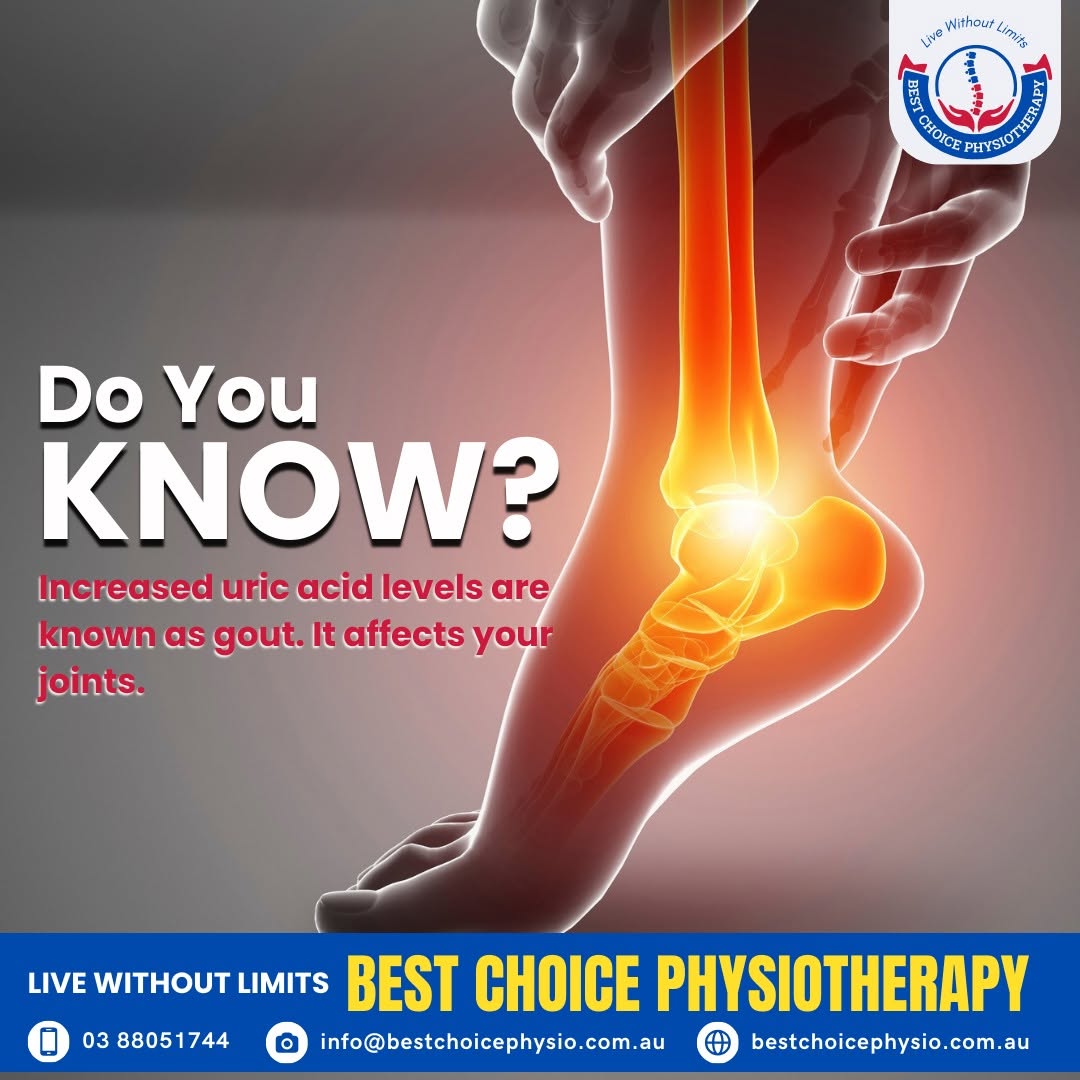
Do You Know? Increased Uric Acid Levels Can Affect Your Joints
Gout is a common form of arthritis caused by increased levels of uric acid in the blood. When uric acid builds up, it forms sharp crystals in the joints, leading to severe pain, swelling, redness, and stiffness. Although gout can affect various joints, it most commonly occurs in the big toe, ankle, knee, and foot joints.
If left untreated, gout can significantly impact mobility and quality of life. Understanding its causes, symptoms, and treatment options can help prevent long-term joint damage.
What Is Gout?
Gout is an inflammatory joint condition that develops when the body produces too much uric acid or fails to eliminate it effectively. Excess uric acid forms crystals that accumulate in joints and surrounding tissues, triggering painful inflammation.
Commonly Affected Areas:
- Big toe
- Ankle
- Foot joints
- Knees
- Wrists
- Fingers
- Elbows
What Causes High Uric Acid?
Several factors can increase uric acid levels in the body:
1. Diet High in Purines
Foods rich in purines break down into uric acid, including:
- Red meat
- Organ meats
- Seafood
- Sugary beverages
- Alcohol
2. Obesity
Excess body weight increases uric acid production and reduces its removal.
3. Kidney Problems
The kidneys may struggle to remove uric acid efficiently, causing it to accumulate.
4. Genetics
A family history of gout can increase the risk.
5. Certain Medical Conditions
- Diabetes
- High blood pressure
- Metabolic syndrome
- Heart disease
Symptoms of Gout
Gout attacks often occur suddenly and can be extremely painful.
Common Symptoms:
✅ Intense joint pain
✅ Swelling and inflammation
✅ Redness around the joint
✅ Warmth or tenderness
✅ Difficulty walking or moving the affected joint
✅ Recurring episodes of joint pain
The pain often starts at night and may become severe within a few hours.
How Gout Affects Your Joints
When uric acid crystals accumulate inside a joint, the body’s immune system reacts, causing inflammation. Repeated gout attacks can lead to:
- Chronic joint pain
- Joint stiffness
- Reduced mobility
- Permanent joint damage
- Formation of tophi (hard uric acid deposits)
Early treatment is essential to protect joint health and maintain an active lifestyle.
Treatment Options for Gout
Medical Management
Doctors may prescribe:
- Anti-inflammatory medications
- Pain relievers
- Uric acid-lowering medications
Always follow medical advice and avoid self-medication.
Lifestyle Changes
Lifestyle modifications play a major role in managing gout:
- Drink plenty of water
- Maintain a healthy weight
- Limit alcohol consumption
- Reduce sugary drinks
- Eat a balanced diet rich in fruits and vegetables
Can Physiotherapy Help Gout Patients?
Yes. While physiotherapy does not directly lower uric acid levels, it can help manage the effects of gout on joints.
Benefits of Physiotherapy:
- Reduces joint stiffness
- Improves flexibility
- Enhances mobility
- Strengthens supporting muscles
- Improves balance and function
- Helps return to daily activities safely
A physiotherapist can design personalized exercises based on your condition and recovery stage.
Tips to Prevent Gout Attacks
Stay Hydrated
Water helps flush excess uric acid from the body.
Follow a Healthy Diet
Choose:
- Fresh fruits
- Vegetables
- Whole grains
- Low-fat dairy products
Exercise Regularly
Regular physical activity helps maintain healthy weight and joint function.
Monitor Uric Acid Levels
Routine health checkups can help detect elevated uric acid early.
Follow Treatment Plans
Take medications as prescribed and attend follow-up appointments.
When Should You Seek Professional Help?
Consult a healthcare professional if you experience:
- Sudden severe joint pain
- Swollen or red joints
- Recurrent attacks of gout
- Difficulty walking or performing daily activities
Early diagnosis and proper treatment can prevent complications and protect your long-term joint health.
Conclusion
Gout is more than just joint pain—it is a condition caused by elevated uric acid levels that can lead to inflammation, reduced mobility, and long-term joint damage. With proper medical treatment, healthy lifestyle choices, and supportive physiotherapy, individuals with gout can effectively manage symptoms and maintain an active, pain-free life.
At Best Choice Physiotherapy, we are committed to helping you live without limits by improving joint mobility, reducing discomfort, and supporting your recovery journey through evidence-based physiotherapy care.
Keywords: gout treatment, high uric acid, gout symptoms, joint pain relief, physiotherapy for gout, ankle pain, arthritis management, uric acid treatment, joint mobility, Best Choice Physiotherapy.