
Subtotal $0.00
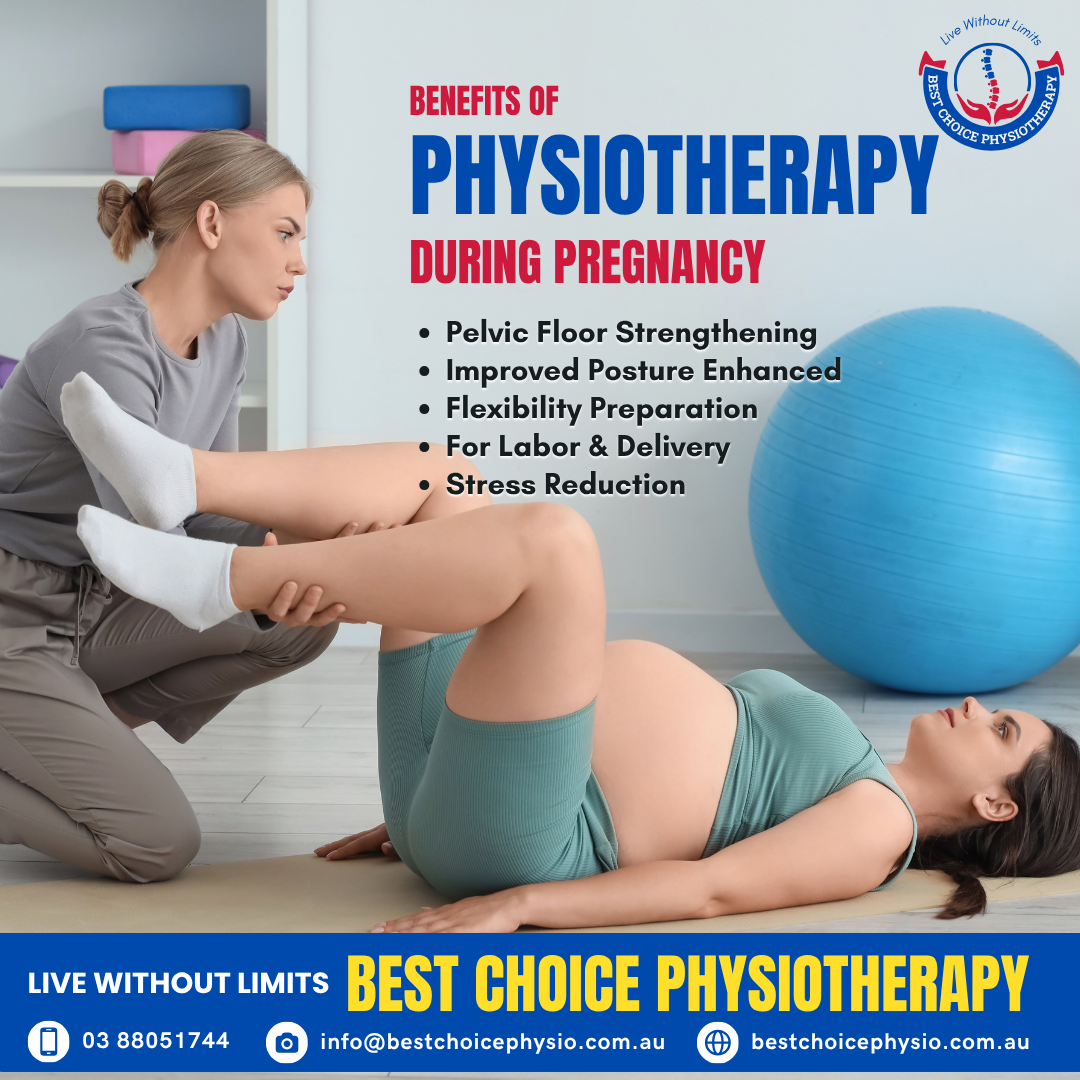
Pregnancy is a beautiful journey, but it also brings significant physical changes that can lead to discomfort, pain, and reduced mobility. As the body adapts to support a growing baby, muscles, joints, and ligaments experience increased strain. Physiotherapy offers a safe, non-invasive, and effective way to help expectant mothers stay active, comfortable, and well-prepared for childbirth.
1. Strengthens the Pelvic Floor
The pelvic floor muscles play a vital role during pregnancy and childbirth. Physiotherapy includes targeted exercises that strengthen these muscles, helping to:
- Support the growing uterus and baby.
- Reduce the risk of urinary incontinence.
- Improve recovery after delivery.
- Enhance pelvic stability during pregnancy.
2. Improves Posture
As pregnancy progresses, the body’s center of gravity shifts forward, often causing poor posture and back pain. A physiotherapist provides posture correction techniques and exercises that:
- Reduce strain on the neck, shoulders, and lower back.
- Improve spinal alignment.
- Enhance overall comfort during daily activities.
3. Enhances Flexibility and Mobility
Gentle stretching and mobility exercises help maintain flexibility while reducing muscle stiffness. Improved flexibility:
- Makes everyday movements easier.
- Reduces joint discomfort.
- Promotes better circulation.
- Helps maintain an active lifestyle throughout pregnancy.
4. Prepares the Body for Labor and Delivery
Physiotherapy focuses on strengthening key muscle groups involved in childbirth. Breathing techniques, pelvic mobility exercises, and relaxation methods help:
- Improve labor endurance.
- Encourage efficient pushing techniques.
- Promote optimal baby positioning.
- Build confidence for a smoother delivery experience.
5. Reduces Stress and Promotes Relaxation
Pregnancy can be physically and emotionally demanding. Physiotherapy sessions often include breathing exercises, gentle movements, and relaxation techniques that:
- Lower stress levels.
- Relieve muscle tension.
- Improve sleep quality.
- Support emotional well-being.
Additional Benefits
Regular physiotherapy during pregnancy may also help:
- Relieve lower back and pelvic pain.
- Reduce swelling in the legs and feet.
- Improve balance and stability.
- Minimize the risk of falls.
- Speed up postpartum recovery.
Is Physiotherapy Safe During Pregnancy?
Yes. When performed by a qualified physiotherapist experienced in prenatal care, physiotherapy is generally safe throughout pregnancy. Each treatment plan is personalized according to the mother’s stage of pregnancy, health condition, and individual needs.
Final Thoughts
Pregnancy is a time to care for both mother and baby. Physiotherapy supports a healthier, more comfortable pregnancy by improving strength, posture, flexibility, and overall well-being. Whether you’re experiencing pregnancy-related discomfort or simply want to prepare your body for labor, prenatal physiotherapy can help you enjoy this special journey with greater confidence and comfort.
Live Without Limits with Best Choice Physiotherapy—because every mother deserves expert care for a healthy pregnancy and a smoother path to motherhood.