
Subtotal $0.00
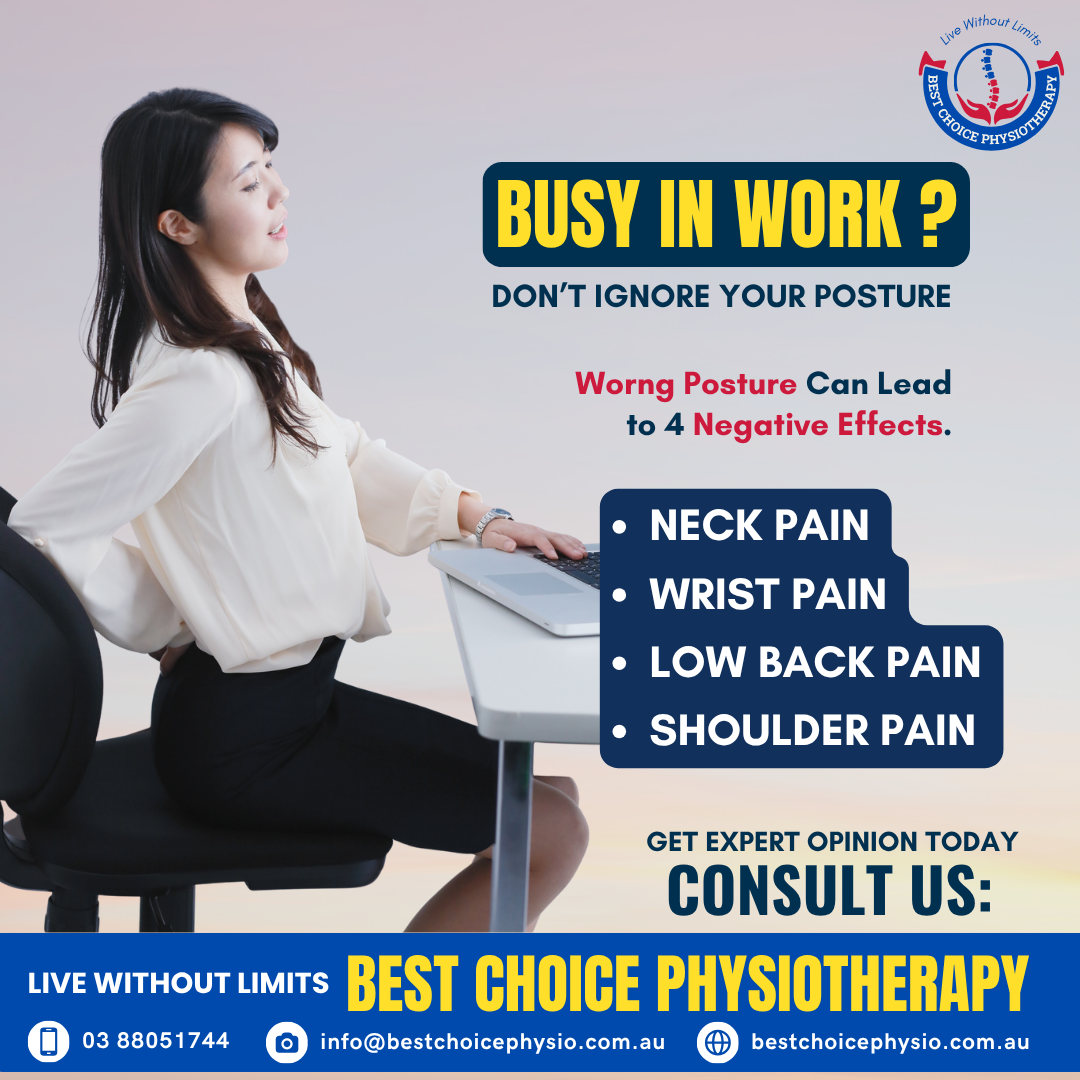
In today’s digital world, many of us spend long hours sitting in front of a computer. Whether you’re working from an office or from home, maintaining the wrong posture for extended periods can silently affect your health. While deadlines and productivity often take priority, your posture deserves equal attention. Ignoring it today may result in chronic pain and reduced quality of life tomorrow.
Why Does Posture Matter?
Good posture keeps your bones, muscles, and joints properly aligned, reducing unnecessary strain on your body. Poor posture, on the other hand, forces certain muscles to work harder than they should, leading to fatigue, stiffness, and pain.
If you frequently slouch, lean forward, or sit without proper back support, your body gradually adapts to these unhealthy positions, increasing the risk of musculoskeletal problems.
Four Common Problems Caused by Poor Posture
1. Neck Pain
Constantly looking down at a laptop or leaning your head forward puts extra pressure on your neck muscles and cervical spine. This often results in stiffness, headaches, and persistent neck pain.
2. Wrist Pain
Improper keyboard and mouse positioning can strain the tendons and nerves in your wrist. Over time, this may contribute to repetitive strain injuries such as carpal tunnel syndrome.
3. Low Back Pain
Slouching reduces the natural curve of your lower back, increasing pressure on the spinal discs. Low back pain is one of the most common complaints among office workers and people with sedentary jobs.
4. Shoulder Pain
Rounded shoulders and poor sitting posture tighten the muscles around your neck and upper back. This imbalance often causes shoulder discomfort, reduced mobility, and muscle tension.
Simple Tips to Improve Your Posture
- Sit with your back fully supported by your chair.
- Keep both feet flat on the floor.
- Position your monitor at eye level.
- Relax your shoulders instead of hunching them.
- Keep your elbows at approximately 90 degrees while typing.
- Take a short stretching or walking break every 30–60 minutes.
- Strengthen your core muscles with regular exercise.
When Should You See a Physiotherapist?
If your pain:
- Lasts for several weeks,
- Keeps returning,
- Causes numbness or tingling,
- Limits your daily activities, or
- Doesn’t improve with rest,
it’s time to seek professional advice. A physiotherapist can assess your posture, identify the root cause of your pain, and create a personalized treatment and exercise plan to help you recover and prevent future problems.
Prevention Is Better Than Treatment
Small changes in your daily sitting habits can make a significant difference. Paying attention to your posture today can help you avoid chronic neck pain, wrist discomfort, low back pain, and shoulder problems in the future.
Remember: Being busy at work is important—but your health is even more important. Good posture is a simple habit that protects your body, improves productivity, and helps you live pain-free.
Live Without Limits. Prioritize your posture, and if pain persists, consult a qualified physiotherapist for expert guidance.