
Subtotal $0.00
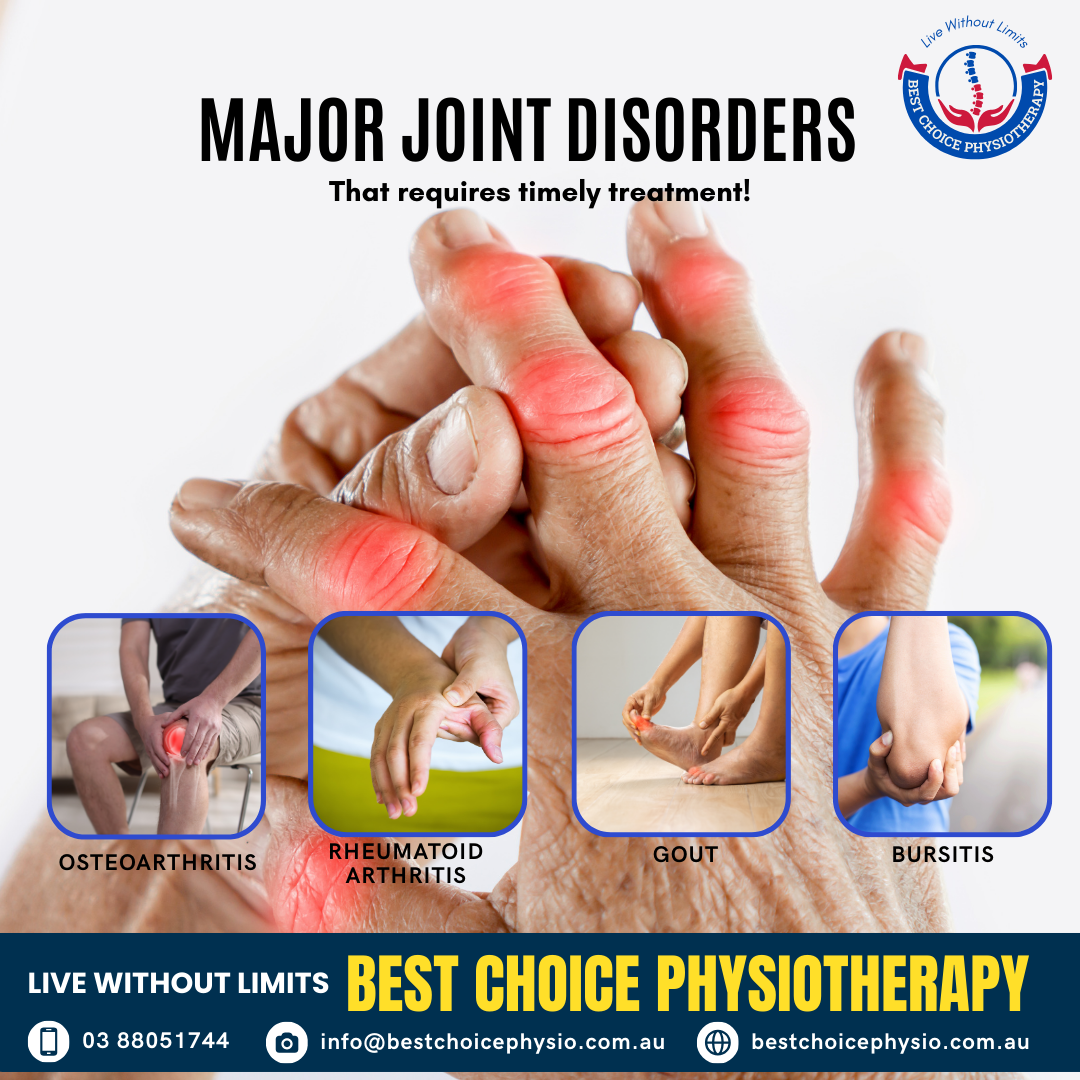
Joint disorders can significantly affect your quality of life, making everyday activities such as walking, climbing stairs, or even holding objects painful and difficult. Early diagnosis and proper treatment are essential to prevent long-term complications. Among the most common joint disorders are Osteoarthritis, Rheumatoid Arthritis, Gout, and Bursitis.
What Are Joint Disorders?
Joint disorders are conditions that affect the joints, causing pain, stiffness, swelling, and reduced mobility. They can occur due to aging, injury, autoimmune diseases, infections, or metabolic conditions. Without timely treatment, these disorders can lead to chronic pain and disability.
1. Osteoarthritis (OA)
What is Osteoarthritis?
Osteoarthritis is the most common form of arthritis and occurs when the protective cartilage cushioning the ends of bones gradually wears away.
Common Symptoms
- Joint pain during or after movement
- Stiffness, especially in the morning
- Reduced flexibility
- Swelling around the joint
- Grinding sensation during movement
Risk Factors
- Aging
- Obesity
- Previous joint injuries
- Repetitive stress on joints
- Family history
How Physiotherapy Helps
Physiotherapy helps strengthen muscles around the affected joints, improve flexibility, reduce pain, and enhance mobility through targeted exercises and manual therapy.
2. Rheumatoid Arthritis (RA)
What is Rheumatoid Arthritis?
Rheumatoid Arthritis is an autoimmune disease where the body’s immune system mistakenly attacks healthy joint tissues, causing inflammation and joint damage.
Common Symptoms
- Swollen and tender joints
- Morning stiffness lasting more than 30 minutes
- Fatigue and weakness
- Symmetrical joint pain (both sides of the body)
Risk Factors
- Genetic predisposition
- Smoking
- Hormonal factors
- Family history
How Physiotherapy Helps
Physiotherapy can:
- Reduce inflammation and pain
- Improve joint function
- Increase muscle strength
- Maintain range of motion
- Prevent joint deformities
3. Gout
What is Gout?
Gout is a type of inflammatory arthritis caused by the buildup of uric acid crystals in the joints, most commonly affecting the big toe.
Common Symptoms
- Sudden severe joint pain
- Redness and swelling
- Warmth around the affected joint
- Difficulty walking during flare-ups
Risk Factors
- High-purine diet
- Excess alcohol consumption
- Obesity
- Kidney disease
- Family history
How Physiotherapy Helps
Although medical management is essential, physiotherapy helps restore mobility, reduce stiffness, improve joint function, and prevent future complications after acute attacks.
4. Bursitis
What is Bursitis?
Bursitis occurs when the bursae—small fluid-filled sacs that cushion joints—become inflamed due to repetitive motion, injury, or infection.
Common Symptoms
- Joint pain and tenderness
- Swelling
- Limited movement
- Pain worsening with activity
Commonly Affected Areas
- Shoulder
- Elbow
- Hip
- Knee
How Physiotherapy Helps
Physiotherapists use:
- Stretching exercises
- Strengthening programs
- Postural correction
- Manual therapy
- Activity modification advice
to reduce pain and promote healing.
Why Early Treatment Matters
Ignoring joint pain can lead to:
- Permanent joint damage
- Reduced mobility
- Muscle weakness
- Chronic pain
- Lower quality of life
Seeking professional assessment early can significantly improve treatment outcomes and prevent long-term complications.
Benefits of Physiotherapy for Joint Disorders
Physiotherapy offers a non-surgical, evidence-based approach to managing joint disorders by:
✅ Reducing pain and inflammation
✅ Improving flexibility and mobility
✅ Strengthening supporting muscles
✅ Enhancing balance and coordination
✅ Preventing future injuries
✅ Improving overall quality of life
When Should You See a Physiotherapist?
Consider consulting a physiotherapist if you experience:
- Persistent joint pain lasting more than a few weeks
- Swelling around joints
- Difficulty walking or performing daily tasks
- Morning stiffness
- Reduced range of motion
- Recurring joint discomfort
Conclusion
Osteoarthritis, Rheumatoid Arthritis, Gout, and Bursitis are among the most common joint disorders affecting people worldwide. While these conditions can impact daily life, early intervention and physiotherapy can effectively reduce pain, improve mobility, and help you maintain an active lifestyle.
If you’re experiencing joint pain or stiffness, don’t wait for symptoms to worsen. Professional physiotherapy treatment can help you move better, feel stronger, and live without limits.